

Hydrogen infrastructure · Clean power
Hydrogen, made where it moves the world.
HydrogenXT develops fuel-grade hydrogen production and refueling for freight and transit, and clean, dispatchable power for Advanced Compute Complexes. Produced on site, with no delivery leg to pay for.
Hydrogen fuel-cell vehicles and technology in the market from
Manufacturers are shown to describe the market. No partnership with HydrogenXT is implied.
Our mission
Changing the way the world moves. From trucks, trains, planes and automobiles to bits, bytes and boxes, everything will move with hydrogen.
Why on-site
Hydrogen is clean at the point of use. Moving it is the hard part.
Gaseous hydrogen takes many truckloads to carry the energy of a single diesel tanker, and every mile between the plant and the pump adds cost. The grid has the same problem in reverse: new load waits years for a connection. HydrogenXT puts production next to the vehicles and the compute that need it.
- tube-trailer trips of 700-bar hydrogen to carry the energy of one diesel tanker HydrogenXT analysis
- ~28
- tailpipe emissions from a hydrogen fuel cell, which produces electricity, water and heat U.S. DOE
- 0
- markets on one platform: moving goods, moving people, and powering compute
- 3
- production, compression, storage and dispensing, integrated on one site
- 4 in 1
What we do
One platform. Fuel and power, close to the load.
-
Freight · Transit · Fleets
Hydrogen Infrastructure
Production, compression, storage and dispensing on one compact site, so fuel is made where vehicles fill up.
Learn more -
Advanced Compute
Advanced Compute Power
Dispatchable clean power designed around your load, built as part of a Clean Energy Campus rather than added later.
Learn more -
Pathways
Feedstock & Carbon
Natural gas with carbon capture, renewable natural gas and woody biomass: several routes toward zero carbon intensity.
Learn more -
Commercial
Fuel Purchase Agreements
Multi-year agreements that reserve supply ahead of construction and give fleets a fuel price they can plan around.
Learn more
Why HydrogenXT
One partner from molecule to dispenser to power.
Most hydrogen companies do one piece: produce it, truck it, sell the station or sell the fuel cell. HydrogenXT develops the whole chain on one site, under one relationship, which is how it takes cost and hand-offs out of the system.
Produced where it's dispensed
No tube trailers, no long-haul delivery, no boil-off. The plant and the dispenser share a site.
Fuel and power from one plant
The same hydrogen supply can serve vehicles, on-site power, or both, as separately contracted allocations.
Templated and modular
A repeatable design scales capacity in blocks on the same base infrastructure.
Diversified feedstock
Natural gas with carbon capture, renewable natural gas, and woody biomass in the Pacific Northwest.
A team that has built it before
Leadership that built California's first retail hydrogen station, at a BP site, and permitted hydrogen stations across the state.
Projects in development
Where we're starting.
-
Southern California · U.S.–Mexico border
East San Diego freight and transit hub
10 TPD planned hydrogen production
Learn more -
Central California · San Joaquin Valley
Central California Clean Energy Campus
300 MW planned Advanced Compute IT load and fuel-grade hydrogen for Class 8 freight
Learn more -
Pacific Northwest · Lewis County, WA
Lewis County Clean Energy Campus
~50 MW Advanced Compute IT load. Wood to hydrogen to clean, dispatchable power.
Learn more
The long view
A continental network, built one corridor at a time.
Our long-term plan is a network of decentralized, localized, modular and scalable hydrogen production hubs across the United States and southern Canada. Between them sit dispensing sites, owned by HydrogenXT or operated with partners at existing truck stops and commercial fueling facilities, each no more than 200 miles from a production hub. That short delivery leg is what keeps the whole network affordable.
- 107
- production hubs planned
- 234
- owned or partner dispensing sites between them
- ≤200
- miles from any dispensing site to a production hub
- 57,100
- miles of interstate highway covered
- 01
Start local
West Coast sites first, where freight, transit and compute demand already concentrate.
- 02
Contract first
Every site follows fuel and power agreements, so capacity is built against committed demand.
- 03
Repeat the template
One standardized, modular design moves down each corridor and scales in blocks.
Long-term plan, not a forecast. Site counts and coverage are planning figures; each site is developed and confirmed individually.
Who we serve
Built for the operators who move the most.
- 01
Freight fleets and truck OEMs
Fuel on the corridors your trucks already run, with supply and pricing you can underwrite a fleet against.
- 02
Transit agencies and municipal fleets
Dependable hydrogen sized to your depots and service blocks, for zero-emission fleet plans.
- 03
Advanced Compute developers
Firm, on-site power planned with your campus, so the energy plan moves with the compute plan.
- 04
Ports and drayage
Local supply for the short, heavy, high-frequency duty cycles that move goods off the dock.
- 05
Public sector partners
States, cities and agencies building clean-fuel corridors and regional energy strategies.
- See every market we serve
The trucks are here
The world's truck makers are building for hydrogen.


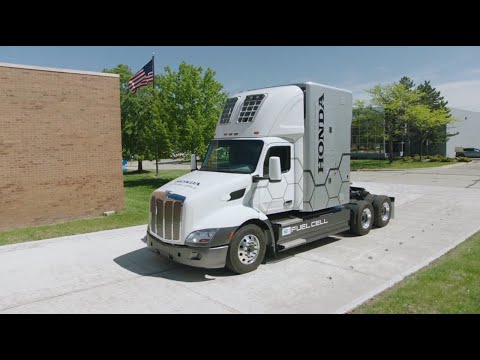
Videos published by each manufacturer on YouTube. Shown to describe the market, not HydrogenXT vehicles or partnerships.
How we work
Five principles behind every site.
-
Make it where it is used
Moving hydrogen is what makes it expensive. Producing at the point of use takes the delivery leg out of the price.
-
Contract first, build second
Sites follow signed fuel and power agreements, so each plant opens into demand that already exists.
-
Template, then repeat
One standardized, modular plant design that can be deployed stand-alone, near-site or behind the fence.
-
Flexible on feedstock
Natural gas with carbon capture today, plus renewable natural gas and woody biomass where the resource is local.
-
Accountable on carbon
Carbon intensity is measured across the whole pathway, with zero as the target, not assumed.
News
Latest from HydrogenXT
-
From forest residuals to hydrogen and compute, LCH2 advances a Washington energy campus
How the Lewis County Hydrogen Alliance plans to pair biomass-derived hydrogen with Advanced Compute, with HydrogenXT leading project development and offtake.
Read on Hydrogen Fuel News (opens in a new tab) -
HydrogenXT secures $900 million to launch 10 zero-carbon hydrogen hubs across the US
The Optimist Daily on HydrogenXT's plan to produce hydrogen where trucks fill up.
Read on The Optimist Daily (opens in a new tab) -
HydrogenXT secures $900M to build 10 zero-carbon hydrogen plants
Industry coverage of HydrogenXT's financing for its first ten production and dispensing plants.
Read on FuelCellsWorks (opens in a new tab) -
HydrogenXT secures definitive $900 million term sheet to build first 10 zero-carbon hydrogen production & dispensing plants
HydrogenXT's announcement of a definitive term sheet to finance its first ten on-site production and dispensing plants.
Read on PR Newswire (opens in a new tab) -
HydrogenXT's financing agreement with Carbonix helps launch groundbreaking Avenal project
HydrogenXT's announcement of a financing agreement for its first on-site hydrogen plant in California's Central Valley.
Read on PR Newswire (opens in a new tab) -
HydrogenXT unveils potential of hydrogen as the fuel of the future
HydrogenXT's early announcement of its model for producing hydrogen where it is used.
Read on Newsfile (opens in a new tab) -
RTA unveils hydrogen fueling station, first zero-emission buses
Riverside Transit Agency opens its own hydrogen station and puts its first fuel-cell buses into service.
Read on Raincross Gazette (opens in a new tab) -
CF Industries breaks ground on blue ammonia plant
Construction starts in Louisiana on a large low-carbon ammonia plant that pairs hydrogen reforming with carbon capture and sequestration.
Read on Hydrocarbon Engineering (opens in a new tab) -
Transit agencies continue to grow U.S. fuel cell bus fleets
Transit agencies in several states are adding fuel-cell buses and building the hydrogen stations to fuel them.
Read on Fuel Cell & Hydrogen Energy Association (opens in a new tab) -
ECL, PowerCell partner to deploy hydrogen fuel cell power systems across US data centers
A U.S. data center developer orders hydrogen fuel cell systems for on-site power, starting at its Santa Clara campus.
Read on DatacenterDynamics (opens in a new tab) -
Fuel cell investment by data centers set to grow tenfold by 2030
Rystad Energy on why grid delays and AI power demand are pushing compute operators toward on-site fuel cell generation.
Read on Rystad Energy (opens in a new tab) -
Major US hydrogen truck deployment announced by Toyota and Hyroad
Toyota and Hyroad Energy plan a fleet of Class 8 fuel-cell trucks in Southern California, with hydrogen supply and service bundled in.
Read on Automotive Powertrain Technology International (opens in a new tab) -
Hyundai deploys first hydrogen fuel cell truck fleet in South America
Hyundai XCIENT fuel-cell trucks go to work hauling timber in Uruguay.
Read on California Fuel Cell Partnership (opens in a new tab) -
Truck companies are shifting to hydrogen fuel for long-haul trips
Industry coverage of heavy-duty trucking's move toward hydrogen fuel cells for long-haul routes.
Read on CarbonCredits.com (opens in a new tab)
Let's talk
Bring us your routes, depots or load.
Fleets, agencies and Advanced Compute developers: tell us where you operate and we'll show you how on-site hydrogen fits. Investors, reach out directly for information.